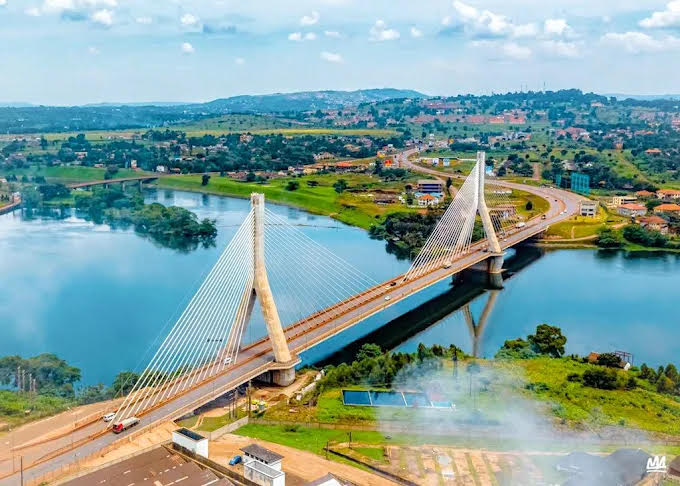
As a tour operator with over a decade of experience coordinating safaris across Uganda, I have watched Jinja transform from a stopover point for white water rafting into a destination that demands at least two full days of exploration. The challenge for most travelers is that the adventure activities overshadow what makes Jinja genuinely unique: its layered history as Uganda's industrial birthplace. Based on our work with tour operators through the Academy and firsthand experience running cultural tours through TOA Safaris, we have found that travelers who skip Jinja's heritage sites miss half the story of how modern Uganda came to be.
Why Jinja Tourism Historical Landmarks Matter for Understanding Uganda
Jinja tourism historical landmarks tell a story that no museum can replicate. The city was not just a colonial outpost but the engine room of Uganda's economy for much of the 20th century. Before Kampala became the commercial capital, Jinja served as the country's gateway to the world through its Lake Victoria pier and railway connections. The buildings still standing today, many constructed between 1912 and 1939, represent the physical remains of this industrial heritage.
For travelers planning a Uganda safari, adding Jinja's historical tour to a standard itinerary transforms the experience from a simple adventure stop into a genuine cultural encounter. The city offers something rare in East African tourism: a concentrated collection of early 20th-century colonial and Asian-influenced architecture within walking distance.
Essential Jinja Heritage Sites You Cannot Miss
Jinja Railway Station and the Uganda Railway Museum
The Jinja Railway Station stands as the most significant historical landmark in the city. Constructed in 1928 when the Uganda Railway line extended to Jinja, this station represents the culmination of a railway project that began in Mombasa, Kenya. The railway fundamentally changed Jinja from a fishing village into an industrial center.
The Uganda Railway Museum, established in March 2023, now operates from the station grounds. Visitors can examine old railway artifacts including booking systems, communication equipment, and engineering parts. The museum also preserves the challenging history of railway construction, including the man-eaters of Tsavo that killed workers during construction. Entry fees are 5,000 UGX for Ugandan adults and $5 for international visitors, with children paying 2,000 UGX or $3 respectively.
The museum opens Tuesday through Sunday from 11 am to 6 pm, allowing approximately one to two hours for a thorough visit.
Jinja Pier: Uganda's First Railway Terminus
Constructed in 1912, the Jinja Pier served as the terminus of Uganda's first railway, the Busoga Railway. Before the main Uganda Railway reached Jinja in 1928, this pier was the primary outlet for Ugandan exports, particularly cotton. Today, the pier occasionally functions as an inland port on Lake Victoria, though much of its original infrastructure shows the wear of a century of use.
The pier represents the earliest major infrastructure project in Jinja and illustrates how transportation routes shaped the city's development. Most visitors to Jinja overlook this site entirely, making it an excellent stop for travelers seeking less crowded historical experiences.
Jinja Railway Bridge: An Engineering Landmark of 1926
The railway bridge over the Nile River, constructed in 1926, remains a remarkable engineering achievement. This bridge linked Kampala to the Uganda Railway line and provided road and pedestrian access across the Nile. The bridge shortened the journey between Jinja and Kampala and allowed easier travel between fishing villages on both sides of the river.
While the bridge no longer sees regular train traffic, it stands as a monument to British colonial engineering in East Africa. Guided walking tours frequently include this structure as a key stop.
St. Joseph's Cathedral: Colonial Religious Architecture
Built in 1939 by Catholic missionary priests from the Mill Hill Fathers, St. Joseph's Cathedral sits prominently on Jinja College Road. The church became a cathedral when Jinja became a diocese in 1966.
One of the most notable features of this cathedral is the missing statue of St. Joseph, which was buried in the church compound after soldiers shot its head off during the 1979 liberation war between Tanzanian and Amin's forces. The church still bears visible marks from that conflict.
Jinja Central Police Station
Located at the corner of Main Street and Rippon Road, the Jinja Central Police Station has operated continuously since 1928. The building was constructed to manage rising crime associated with the railway and taxi park. It retains its original architectural design and grey colour, making it one of the best-preserved colonial buildings in the city.
The Madhvani Building: Uganda's First Storeyed Building
Constructed in 1919, the Madhvani Building holds the distinction of being Jinja's first storeyed building. It originally housed the Madhvani family's business on the ground floor with accommodation above. By 1947, the building had become the headquarters for sugar factories, 18 cotton ginners, a tobacco company, and numerous smaller enterprises.
Following the expulsion of Asians under Idi Amin in 1972, the building fell into decline. However, the Madhvani family returned in 1985 and the building now serves as headquarters for the Madhvani Group.
Shri Dharmasthala Manjunatheshwara (SDM) Temple
This Hindu temple, constructed in 1926, serves as an important religious and community hub for Jinja's Hindu population. The temple holds special significance because it houses a monument containing some of the ashes of Mahatma Gandhi, with the rest having been spread on the River Nile as he willed before his death.
The temple represents the lasting influence of Asian communities on Jinja's cultural landscape, a connection that remains strong despite the expulsion of the 1970s.
Jinja Commonwealth War Cemetery
Located on Baxi Road, the Jinja Commonwealth War Cemetery contains 127 casualties of the East African Forces who died serving in the First and Second World Wars. These soldiers fought for their British colonial masters in wars that had no direct connection to their East African homes. One notable grave belongs to Sergeant Atibu Juma, who died on February 3, 1947, with a tombstone indicating he was buried near the spot, meaning his exact grave location remains unknown.
Previously, visitors needed a code from Nairobi to access this site, but the cemetery is now open to the public without such restrictions.
Planning Your Historical Tour of Jinja
Recommended Itinerary for Heritage Sites
A comprehensive historical tour of Jinja requires at least one full day. Start at the Jinja Railway Station and Railway Museum in the morning, allowing two hours for the exhibits. Walk to the Jinja Railway Bridge, then proceed to the Jinja Central Police Station and Madhvani Building on Main Street. After lunch, visit the SDM Temple, then proceed to St. Joseph's Cathedral. End the day at the Commonwealth War Cemetery or Jinja Pier, depending on your interest.
Most guided walking tours depart from the Jinja Main Post Office on Main Street and include visits to these landmarks. Tours typically include a local guide who provides historical context and detailed explanations of each site's significance.
Entry Fees and Opening Hours
Entry fees vary by site. The Railway Museum charges 5,000 UGX for Ugandan adults and $5 for international visitors. Most other historical sites, including the war cemetery and colonial buildings, are free to enter, though many benefit from guide tips. Some tours offer optional upgrades to include a boat trip to the Source of the Nile.
Best Time to Visit
Jinja experiences two dry seasons from June to August and December to February, which provide the most comfortable conditions for walking tours. However, historical sites are accessible year-round. Weekdays offer quieter conditions at most locations, particularly the Railway Museum.
Historical Context: Understanding Jinja's Development
Before 1906, Jinja was a fishing village situated on long-distance trade routes. The name Jinja derives from the word for rock in both Luganda and Lusoga languages, referring to the large rocks near Ripon Falls that allowed crossing of the river.
John Hanning Speke first identified the Source of the Nile in 1858, but the town's development only began when the Uganda Railway reached Kisumu in 1901. The Busoga Railway completed in 1912 consolidated Jinja's position as a transportation hub.
The colonial government initially planned Jinja in 1906 with clear racial segregation. Asian and non-African businesses could operate on certain streets, while Africans were prohibited from settling in many areas. This segregation shaped Jinja's urban form, with British residential zones located uphill for surveillance and administrative purposes.
By 1948, Ernst May, a German architect, re-planned the town with neighbourhood units and slum clearance that displaced more than 1,000 residents. The construction of Owen Falls Dam in 1954 submerged Ripon Falls and transformed Jinja into Uganda's primary industrial town, with hydro-electricity powering factories and industries.
The expulsion of Asian communities in 1972 by Idi Amin led to a period of stagnation that lasted until the 1990s. Many Asian-style buildings remain dilapidated today, representing both a heritage to preserve and a cautionary tale about the consequences of political instability.
Other Activities to Do in Jinja Beyond the Historical Landmarks
While the historical landmarks deserve focused attention, Jinja offers a range of additional activities that complement a heritage tour. Most visitors come for these experiences, and combining them with historical sightseeing creates a well-rounded itinerary.
Source of the Nile
The Source of the Nile remains Jinja's most famous attraction. This is the point where the White Nile emerges from Lake Victoria and begins its 6,700 kilometre journey to the Mediterranean Sea. John Hanning Speke identified this location in 1858, making it one of Africa's most significant geographical discoveries.
The site features a monument marking the exact spot. Visitors can observe the river's outflow, which has changed since the construction of Owen Falls Dam submerged Ripon Falls in 1954. The outflow remains impressive, with an average discharge of 1,000 cubic metres per second.
Most visitors access the Source of the Nile from the Jinja town side. The site has viewing platforms and interpretative signage explaining the river's significance. A typical visit takes one to two hours.
Boat Cruises on the Nile
Boat cruises operate from multiple points along the Nile in Jinja. These range from one-hour scenic trips to half-day excursions extending downstream.
The standard Jinja boat cruise takes visitors to the Source of the Nile from the water, providing a different perspective than the land-based viewing platform. Boats can approach within metres of the outflow point, allowing close observation of the river's emergence from the lake.
Sunset cruises are particularly popular. The evening light on the river, combined with the cooling temperatures, creates a comfortable experience. Boat operators typically charge between $30 and $50 per person for a two-hour cruise, depending on the vessel size and included services.
Some cruises include stops at local fishing villages along the riverbanks. These stops allow visitors to see traditional fishing methods and purchase fresh Nile perch or tilapia directly from fishermen.
Lake Victoria
Lake Victoria forms the northern boundary of Jinja and provides the water source for the Nile. As Africa's largest lake and the world's second-largest freshwater lake, it supports a significant fishing industry and provides transport routes to neighbouring countries.
Visitors can access Lake Victoria through several landing sites near Jinja. The lakeshore offers opportunities for fishing, bird watching, and photography. The lake supports over 200 species of fish, though the introduction of Nile perch in the 1950s dramatically changed the ecosystem.
Port Victoria on the lake's edge provides a glimpse of Lake Victoria's role in regional transport. Fishing boats depart daily, and the lake's surface stretches to the horizon, giving visitors a sense of its enormous scale.
White Water Rafting
White water rafting on the Nile is Jinja's most famous adventure activity and one of East Africa's premier adrenaline experiences. The section of the river below Owen Falls Dam offers Grade 3 to 5 rapids, providing challenges for beginners and experienced rafters alike.
Several operators offer rafting trips on the Nile. The standard itinerary includes a safety briefing, equipment provision, and approximately three to four hours on the water covering between 10 and 15 kilometres of river. The rapids are named with local terminology, and each presents distinct challenges.
Rafting trips typically cost between $120 and $150 per person and include safety kayakers, professional guides, and lunch after the trip. Most operators offer photography packages so visitors can document their experience.
The river's consistent water levels, controlled by the dam, mean rafting operates year-round. The best conditions occur during the dry seasons when water clarity is highest, but the rapids remain challenging throughout the year.
Kayaking and Stand-Up Paddleboarding
For travelers who want to experience the Nile without the intensity of rafting, kayaking and stand-up paddleboarding offer more moderate alternatives. Flat water sections above and below the main rapids provide suitable conditions for beginners.
Half-day kayaking trips operate on calmer sections of the Nile, allowing participants to paddle past riverside villages and observe bird life. The river supports over 300 bird species, including the African fish eagle, herons, and kingfishers.
Kayaking trips typically cost between $60 and $90 per person for a half-day excursion. Operators provide all equipment and instruction, making this accessible to participants with no previous experience.
Bungee Jumping and Ziplining
The Nile High Bungee platform operates near the Source of the Nile, offering jumps of 44 metres over the river. This is one of Uganda's few permanent bungee operations and attracts visitors seeking the adrenaline experience in a unique setting.
The bungee jump takes place from a platform suspended over the river, with the jump ending close to the water's surface without touching it. Participants receive safety briefings and equipment before the jump.
Ziplining options are also available in the area, offering views over the river and surrounding landscape. These activities provide shorter time commitments than rafting, making them suitable for travelers with limited time.
Quad Biking and Mountain Biking
Jinja's surrounding countryside offers good terrain for quad biking and mountain biking. Routes pass through sugar plantations, local villages, and sections of the Nile shoreline.
Quad biking tours typically last two to three hours and cover between 15 and 25 kilometres. The vehicles are suitable for unpaved roads and occasional muddy sections. Mountain biking options range from gentle rides along the riverbank to more challenging routes through the hills north of town.
Bike rental is available from several operators, with prices starting from $10 per hour for standard mountain bikes. Guided tours cost between $30 and $60 per person.
Horse Riding
Horse riding along the Nile offers a quieter way to experience the river scenery. Operators offer rides on the riverbanks and through adjacent rural areas, with routes passing through villages and agricultural land.
Rides last between one and three hours and cater to all experience levels. The horses are well-trained and suitable for beginners. Early morning and late afternoon rides provide comfortable temperatures and good lighting for photography.
Bird Watching
Jinja and its surrounding wetlands support over 300 recorded bird species. The Nile shoreline, Lake Victoria, and nearby Mabira Forest provide excellent bird watching opportunities.
Key species include the African fish eagle, the shoebill stork, various kingfishers, and the malachite kingfisher. The wetlands near the Source of the Nile are particularly productive for bird watching.
Guided bird watching trips operate through specialised operators. These typically start at sunrise and continue until mid-morning when bird activity decreases. Entry to key sites requires permits costing approximately 20,000 UGX per person.
Local Markets and Crafts
Jinja's main market on Main Street provides an authentic shopping experience. Vendors sell fresh produce, dried fish, textiles, and household items. The market operates daily and offers insight into local trading practices.
Craft markets near the Source of the Nile sell souvenirs including wooden carvings, traditional drums, and fabric items. Bargaining is expected, and prices start at approximately 5,000 UGX for smaller items.
Combining Historical Landmarks with Adventure Activities
Jinja offers the rare combination of significant historical landmarks and world-class adventure activities within a compact area. Most travelers allocate two to three days to cover both aspects adequately.
A recommended three-day itinerary includes day one for historical landmarks and the Railway Museum, day two for rafting or the Source of the Nile visit, and day three for a boat cruise and optional activities like quad biking or kayaking. This schedule allows rest between more strenuous activities while ensuring all key sites are covered.
Tour operators often combine these elements into packages. Historical tours cost between $30 and $60 per person, while adventure packages range from $100 to $250 per day depending on the activities selected.
People Also Ask
What are the most important historical landmarks in Jinja?
The most significant historical landmarks in Jinja include the Jinja Railway Station built in 1928, the Jinja Pier constructed in 1912, the Jinja Railway Bridge from 1926, St. Joseph's Cathedral from 1939, and the Madhvani Building from 1919 which was Uganda's first storeyed building.
When was the Jinja Railway Museum established?
The Uganda Railway Museum in Jinja was established in March 2023 and is located at the Jinja Railway Station along the Jinja-Iganga highway.
What is the entry fee for the Jinja Railway Museum?
Entry fees for the Jinja Railway Museum are 5,000 UGX for Ugandan adults and 2,000 UGX for Ugandan children. International visitors pay $5 for adults and $3 for children.
Which war casualties are buried in the Jinja Commonwealth War Cemetery?
The Jinja Commonwealth War Cemetery contains 127 casualties of East African Forces who died serving in the First and Second World Wars for the British colonial forces. One notable grave belongs to Sergeant Atibu Juma, who died on February 3, 1947.
Why is Jinja called a heritage town?
Jinja is called Uganda's heritage town because it served as the country's industrial and transportation gateway during the colonial period. The city contains numerous well-preserved buildings from the 1910s to 1950s, including the first storeyed building in Uganda, an early railway system, and structures reflecting British, Indian, and Ugandan architectural influences.
Conclusion
Jinja tourism historical landmarks offer travelers a window into Uganda's development as a modern nation. The city's colonial architecture, railway infrastructure, and war memorials tell stories of industry, migration, conflict, and resilience that shaped not just Jinja but all of Uganda. While most visitors come for the Nile River adventures, those who take time to explore these heritage sites leave with a deeper understanding of the country's complex past.
For tour operators looking to enhance their Uganda itineraries, Jinja's historical tour provides a valuable addition to the standard safari experience. The sites are accessible, affordable, and manageable within a single day, making them practical for most travel schedules.
If you want to build more comprehensive Uganda tour packages that incorporate heritage experiences, the Tour Operators Academy offers specialised training in cultural tourism product development. Our courses cover itinerary design, historical interpretation, and how to market heritage tourism to international clients. Contact us to learn more about our professional development programmes, or explore our safari offerings through TOA Safaris to see these Jinja landmarks firsthand.
FAQ
How long does it take to visit the main historical sites in Jinja?
A comprehensive historical tour of Jinja's main sites requires approximately six to eight hours. The Railway Museum takes one to two hours, while walking between the colonial buildings on Main Street, visiting the cathedral, and viewing the war cemetery fills the remainder of the day.
Are guided tours available for Jinja's historical landmarks?
Guided walking tours of Jinja's historical landmarks are available through several operators. These tours typically start at the Jinja Main Post Office on Main Street and include visits to the oldest cafe in Uganda, colonial buildings, the war cemetery, and the railway bridge.
Can I combine a historical tour with a visit to the Source of the Nile?
Yes, many tour operators offer packages that combine a historical walking tour of Jinja with a boat trip to the Source of the Nile. These full-day experiences typically include all entry fees and transportation between sites.
When is the best time to visit Jinja's historical landmarks?
The best time for historical tours in Jinja is during the dry seasons from June to August and December to February. Weekdays are preferable to avoid crowds, especially at the Railway Museum.