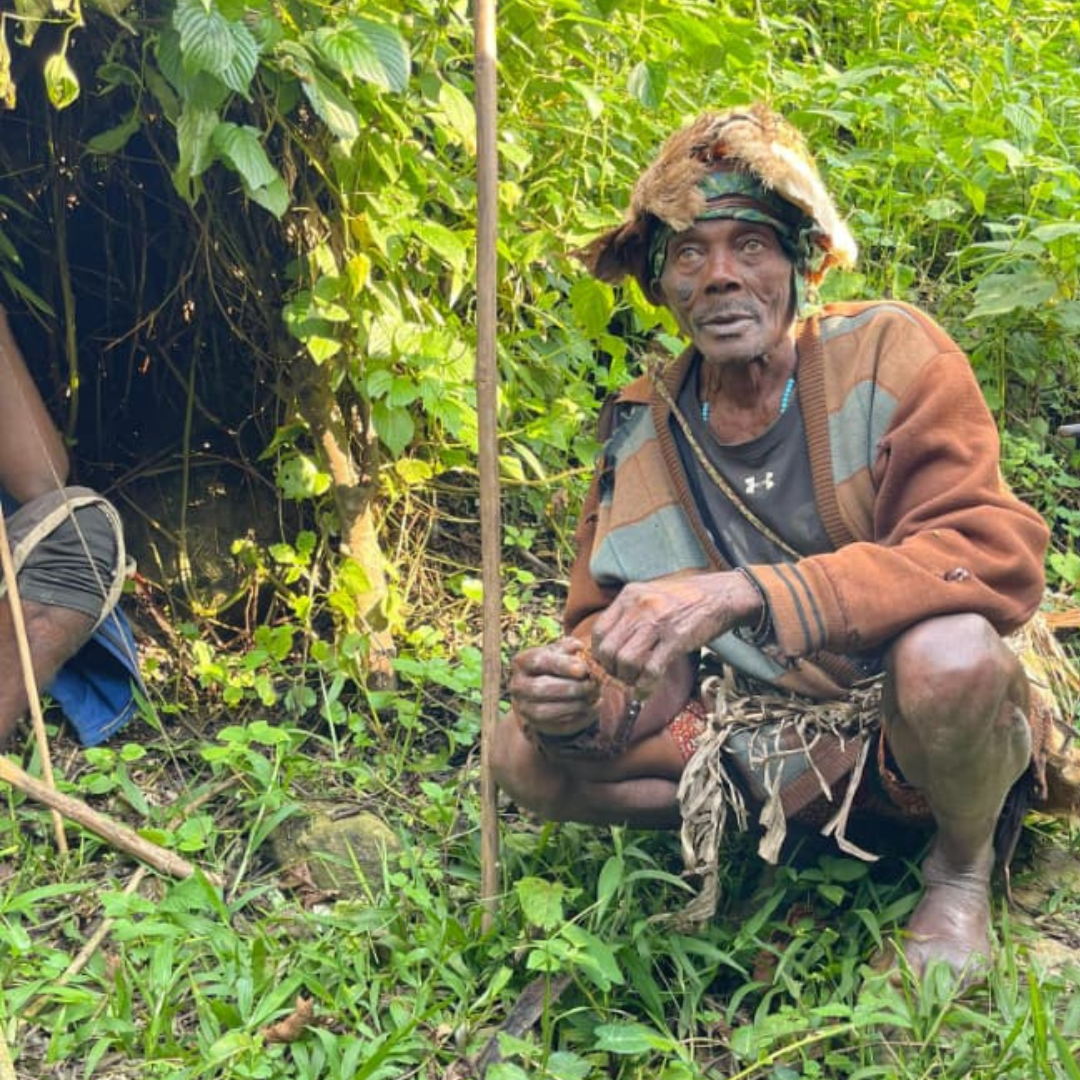
About the Batwa Community Experience
With over a decade of experience organizing safaris across Uganda and Rwanda, I have seen how cultural tourism can either uplift or harm indigenous communities. The Batwa people of Bwindi and Mgahinga forests represent one of the most complex cultural encounters in East African travel. When Bwindi Impenetrable Forest and Mgahinga Gorilla National Parks were designated as protected areas in the early 1990s, Batwa communities were relocated without compensation, losing access to ancestral lands that had sustained them for over 60,000 years. This guide provides practical, field tested advice for travelers who want their visit to genuinely support Batwa communities rather than contribute to their marginalization. I have personally visited the Batwa Experience in Bwindi and the Batwa Trail in Mgahinga, and the guidance below reflects direct observations of what works and what does not.
Understanding Who the Batwa People Are Before You Visit
The Batwa are among the oldest indigenous inhabitants of Africa's Great Lakes region. Their history stretches back approximately 60,000 years in the equatorial forests of Uganda, Rwanda, and the Democratic Republic of Congo. They are often described as pygmies, a term some find derogatory, and their traditional life was one of hunter gatherers who lived in complete harmony with the forest ecosystem.
The forests of Bwindi and Mgahinga are not just physical homes for the Batwa. They are cultural heritage sites that define the Batwa as a people for physical, emotional and spiritual satisfaction. These forests contain their cultural resources including traditional food, medicine, weaving materials, caves, hot springs and worshipping sites. When visitors understand this depth of connection, responsible behavior becomes intuitive rather than rule based.
Today, most Batwa live on the edges of national parks. Poverty rates remain very high in all Batwa communities studied, and benefits received by communities adjacent to national parks are not significant despite tourism revenue sharing schemes. This context matters. You are not visiting a living museum. You are visiting a displaced community working to preserve its identity while adapting to forced change.
Where to Experience Batwa Community Visits in Uganda
Bwindi Impenetrable National Park
The Buniga Batwa Forest Trail near the Nkuringo sector offers a three hour easy forest hike led entirely by Batwa guides. This trail operates through a collaboration between the Nkuringo Conservation and Development Foundation and the local Batwa community. Each visitor pays approximately 25 USD to join the cultural tour. During peak months, up to 80 visitors participate. Every Batwa who joins receives a facilitation fee, and part of the income supports a community fund.
The Batwa Experience in Bwindi includes forest walks where guides demonstrate wild yam as a traditional food source, the medicinal plant basella alba used against snakebite, hut building from ferns and branches, and songs and ceremonies that kept communities together.
Mgahinga Gorilla National Park
The Batwa Trail at Mgahinga is the original community tourism product developed with Uganda Wildlife Authority oversight. This experience operates from 8.00 am until 3.00 to 4.00 pm across the lower slopes of Muhavura and Gahinga volcanoes. The descent into Garama Cave, a 200 metre lava tube beneath Mount Gahinga, is a central feature where traditional music and dance performances occur.
Visitors should note that park entry fees of approximately USD 40 per foreign non resident apply for experiences inside park boundaries. The Batwa Trail requires these fees plus any additional community tourism charges set by UWA in partnership with local Batwa groups.
Kisoro Area Remote Settlements
Less touristy options exist in the Kisoro area. These provide more raw interactions but lack the structured community benefit agreements of the formal trails. If you choose this option, verify that your tour operator has a direct relationship with Batwa leadership and that fees are distributed through transparent community mechanisms.
How to Behave Responsibly During a Batwa Community Visit
Photography Rules That Matter
Never take photographs without explicit permission. Some community members may decline. For children, additional caution is required. Responsible tour operators prohibit photographing minors entirely unless a parent or guardian gives direct verbal consent in front of you.
Some communities request a small fee for photography. This fee should be paid to community management rather than directly to individuals. Direct payments to individuals can create payment expectations that distort local dynamics and cause tension within the community. When photography is permitted, avoid directing poses or staging scenes. Authentic moments come from trust, not instruction.
Dress and Conduct Standards
Dress modestly. Women should cover shoulders and knees. Men should avoid sleeveless shirts. The Batwa live in simple conditions with mud, grass, and bamboo homes. Do not expect modern amenities. This is not a sign of failure. It is a reflection of displacement and limited resources.
Avoid handing out money, candy, or gifts directly to individuals, especially children. This creates dependency and disrupts community decision making structures. If you wish to support further, ask your guide or community leaders about appropriate channels. Purchasing crafts directly from artisans at fair prices is the recommended method of direct support.
Language and Tone
Even when conversations pass through translators, tone matters. Speak calmly. Avoid jokes about poverty or forest life. Refrain from intrusive personal questions about income, family size, or health conditions unless the conversation naturally leads there. Body language should remain open and relaxed. Standing too close, pointing, or moving abruptly can cause discomfort.
Learn a few greeting words in Rutwa, the Batwa language. This small effort signals respect and genuine interest.
What Activities to Expect During Your Batwa Community Visit
Forest Walks and Traditional Demonstrations
Your Batwa guides will lead you through pocket forests adjacent to the national parks. Along the trail, you will witness several demonstrations:
Honey gathering techniques using traditional tools. Fire making without matches, a skill passed down over generations. Hunting demonstrations showing how small forest animals were once caught using bows, arrows, and nets. Shelter building using local materials. Medicinal plant identification for treating snakebite, pain, and wounds.
Music, Dance, and Storytelling
At designated points along the trail or at the conclusion of the forest walk, the community drama group performs. Typically 15 Batwa men and women take part, singing, dancing, and reenacting life in the forest. These are not scripted performances for tourists. They are acts of cultural preservation.
Batwa elders share stories about how Bwindi and Mgahinga forests were given to Batwa by the father of Katwa, Kahutu and Katutsi. The narrative about Mubwindi swamp, Itaama, caves, and hot springs connects to Batwa ancestry, institutions, taboos and totems. These stories carry cultural authority and should be received with attentive silence.
Craft Purchase Opportunities
Women in the community demonstrate pottery and basket weaving. Handmade crafts including baskets, bows, jewelry, and mats are available for purchase. Do not bargain aggressively. The prices are fair, and your purchase supports individual families directly.
How to Combine Batwa Experiences with Gorilla Trekking
Many travelers combine Batwa community visits with gorilla trekking. Both experiences occur in the same sectors of Bwindi and Mgahinga, making logistical sense.
Gorilla permits cost USD 700 to 800 per person and must be booked through Uganda Wildlife Authority months in advance. The recommended sequence is Batwa experience first to provide cultural context, then gorilla trekking, then a second Batwa visit if clients wish to process and discuss their observations.
For a 4 day itinerary, the standard structure includes arrival and Batwa experience on day one, gorilla trekking on day two, optional activities on day three, and departure on day four.
Challenges Travelers Should Acknowledge
- Honesty about limitations builds trust and guides ethical practice. The Batwa community tourism sector faces several unresolved challenges.
- Land tenure remains the primary problem. Batwa communities report that land scarcity is their most urgent issue, and tourism revenue has not yet enabled significant land purchases. Benefit distribution within communities is uneven, with women and youth benefiting less than men from most development activities.
- Collaborative Forest Management groups were registered at a time when Batwa were underrepresented due to limited education access. Leadership structures still lack proportional Batwa representation. Traditional knowledge techniques have limits, and integrating cultural and scientific approaches to conservation means each should find its appropriate role without assuming one approach solves all challenges.
- No single tourism model will address all conservation and community development goals. Your visit is one small part of a much larger struggle for land rights and recognition.
People Also Ask
How much does a Batwa community visit cost?
The Batwa Experience in Bwindi charges approximately 25 USD per person. The Batwa Trail in Mgahinga requires park entry fees of about 40 USD plus additional community fees. Outside national parks, community visits range from 20 to 50 USD depending on duration and inclusions. Ensure you confirm what portion of the fee reaches the community directly. Ethical tour operators document their distribution model in writing.
Is photography allowed during Batwa community visits?
Photography is allowed only with explicit permission. Some community members may decline. For children, additional caution is required. Some communities request a small fee for photography, paid to community management rather than directly to individuals. Never take photos without asking first, and respect refusals without argument.
What should I wear for a Batwa community visit?
Dress modestly with shoulders and knees covered. Wear comfortable walking shoes suitable for uneven forest trails. The Buniga Forest Trail is easy to navigate and does not require special hiking gear, but paths can become muddy during rainy seasons from March to May and September to November. Bring rain gear and drinking water.
How physically demanding is a Batwa community visit?
Moderate difficulty. Forest walks cover uneven terrain with gentle slopes. The Garama Cave descent on the Batwa Trail requires navigating stairs and low light conditions. The Buniga Trail is three hours of easy walking suitable for most ages and fitness levels. Visitors with mobility limitations should contact operators in advance to discuss accessible options. Many community sites offer seated cultural demonstrations that do not require walking.
Can children participate in Batwa community visits?
Yes for children aged eight and above. The experience is educational and interactive. Younger children may become restless during the 2 to 4 hour duration. Discuss specific concerns with your tour operator as some communities welcome families while others prefer adult only groups.
How can I be sure my visit benefits the Batwa community directly?
Book through responsible tour operators partnered with community led programs such as the Batwa Development Program or specific Batwa associations for each sector of Bwindi and Mgahinga. Avoid operators who cannot document their community agreements or revenue distribution models. Purchase crafts directly from artisans. Do not give money or gifts directly to individuals.
Conclusion: Make Your Safari Count
Responsible Batwa community tourism requires specific knowledge. Understanding displacement history, following photography protocols, dressing modestly, purchasing crafts fairly, and honestly acknowledging ongoing challenges all form part of ethical travel practice.
Tour Operators Academy provides professional training for tour operators seeking to develop or improve their community tourism products. Our courses cover Uganda Wildlife Authority permit systems, community agreement structures, pricing and revenue distribution models, and guide training in ethical storytelling. For travelers, we offer the assurance that TOA Safaris operates with documented community partnerships and transparent benefit sharing.
When you book a Uganda safari through TOA Safaris that includes a Batwa community visit, you receive pre departure briefings on cultural protocols, direct community benefit documentation, and the option to contribute to Batwa education and healthcare funds through verified channels. For travelers seeking meaningful cultural exchange that genuinely supports Batwa communities, TOA Safaris provides the expertise and ethical framework required.
Frequently Asked Questions
Do Batwa community visits require advance booking?
Yes. While some community sites accept walk ins, advance booking is highly recommended especially during peak seasons from June to August and December to February. Book through your tour operator, lodge, or directly with Batwa community associations at least two weeks in advance.
What language do Batwa guides speak?
Most Batwa guides speak basic English sufficient for tour explanations. Local languages including Rufumbira and Lukiga are primary. Your tour operator should provide a Ugandan guide who translates between English and the local language as needed. The Batwa have their own language which is rarely spoken with visitors.
What happens if it rains during a Batwa experience?
Experiences continue in light rain. The Batwa Trail operates rain or shine, and the Garama Cave section provides shelter. Heavy rain may shorten forest walk portions, and communities typically move performances to covered gathering areas. Clients should bring rain gear regardless of forecast.
Are Batwa experiences appropriate for solo travelers?
Yes. Solo travelers are welcome. Group sizes typically range from 2 to 8 participants. Solo travelers may pay a single supplement fee depending on the operator. The experience is equally meaningful whether alone or in a group.
How long does a typical Batwa community visit last?
Most visits last 2 to 4 hours. The Buniga Forest Trail is a three hour experience. The Batwa Trail in Mgahinga runs from 8 am to 3 or 4 pm including the forest walk, Garama Cave descent, and cultural performances. Half day options are available at most locations.
Can I stay overnight in a Batwa community?
Most Batwa communities do not offer overnight accommodations due to limited infrastructure. Some tourism initiatives are developing homestay options, but these remain rare. Day visits are the standard format. If overnight stays become available, expect basic conditions without modern amenities.