When travelers book a safari in Uganda, they usually focus on gorilla trekking permits, wildlife encounters, accommodation quality, and the destinations they want to visit. What many do not see is the operational planning behind a successful safari. The difference between a smooth, memorable journey and a frustrating one often comes down to safari routing.
At Tour Operators Academy (TOA), we train tour operators, safari consultants, and travel professionals on practical aspects of safari operations. Through TOA Safaris, we also design and operate safari experiences across Uganda. Our experience in planning hundreds of safari itineraries has shown that routing is one of the most important skills in tour operations, yet one of the least understood by new operators.
Safari routing mastery in Uganda is not simply about connecting destinations on a map. It involves understanding road networks, domestic aviation schedules, wildlife activity patterns, permit availability, lodge locations, park regulations, and guest expectations. When these factors are properly aligned, travelers spend less time in transit and more time enjoying Uganda's remarkable attractions.
What Is Safari Routing in Uganda?
Safari routing refers to the process of organizing destinations, transfers, accommodations, activities, and travel days into the most efficient sequence possible.
A professionally designed route considers:
- Travel distances between destinations
- Road conditions and travel times
- Gorilla permit availability
- Chimpanzee tracking schedules
- Domestic flight options
- Park gate opening hours
- Seasonal weather conditions
- Guest comfort and energy levels
The objective is simple: maximize the guest experience while minimizing unnecessary travel time and operational costs.
Why Safari Routing Matters for Uganda Safaris
Uganda presents unique logistical challenges compared to many safari destinations in Africa.
The country's tourism attractions are spread across multiple regions:
Northern Circuit
- Murchison Falls National Park
- Ziwa Rhino Sanctuary
Western Circuit
- Kibale National Park
- Queen Elizabeth National Park
- Bwindi Impenetrable National Park
Southwestern Highlands
- Mgahinga Gorilla National Park
- Lake Mutanda
Eastern Circuit
- Jinja
- Sipi Falls
- Pian Upe Wildlife Reserve
Because these destinations are geographically dispersed, poor itinerary design can lead to excessive driving, increased costs, and traveler fatigue. A safari may include the same attractions but deliver a completely different experience depending on how the route is structured.
The Hidden Cost of Poor Safari Routing
Many travelers focus on accommodation quality and vehicle type when comparing safari quotations. However, routing decisions often have a greater impact on the overall experience.
Poor routing can result in:
Excessive Driving Hours
Long transfer days reduce time available for activities and relaxation.
Increased Safari Costs
More driving means:
- Higher fuel consumption
- Additional vehicle wear
- Increased maintenance expenses
- More driver hours
Reduced Guest Satisfaction
Travelers who spend entire days on the road often report lower satisfaction levels, even when they visit excellent destinations.
Safety Concerns
Driver fatigue becomes a significant operational risk on poorly planned itineraries.
Safari Routing Mastery in Uganda: Four Principles Used by Professionals
Build Circular Safari Routes
One of the most effective routing strategies is designing circular itineraries.
Instead of repeatedly returning to the same region, operators create a logical progression through the country.
A strong example includes:
Entebbe → Murchison Falls → Kibale Forest → Queen Elizabeth National Park → Bwindi → Entebbe
This routing minimizes backtracking while improving operational efficiency.
Match Activities to Transfer Days
Experienced safari planners understand that not every day should have the same intensity.
For example:
- Gorilla trekking should ideally follow a rest day.
- Chimpanzee tracking should occur during optimal tracking periods.
- Long transfers should not be overloaded with additional activities.
Balancing energy levels significantly improves the guest experience.
Understand Real Travel Times
One common mistake among inexperienced operators is relying entirely on digital mapping tools.
Actual safari travel times are influenced by:
- Road surface conditions
- Seasonal rainfall
- Construction works
- Park speed restrictions
- Wildlife sightings
- Photography stops
A transfer that appears to take six hours online may require eight hours in practice.
Use Domestic Flights Strategically
Domestic aviation has become increasingly important in Uganda safari operations.
Popular safari flight routes include:
- Entebbe to Kidepo Valley National Park
- Bwindi to Entebbe
- Murchison Falls to Entebbe
For travelers with limited time, flights can dramatically improve the safari experience.
For example:
Road transfer from Bwindi to Entebbe often takes between 8 and 10 hours.
A domestic flight from Kisoro or Kihihi to Entebbe typically takes approximately 90 minutes.
For many travelers, the additional cost is justified by the time saved.
Airstrips Every Uganda Safari Planner Should Know
Professional safari routing requires familiarity with Uganda's domestic aviation infrastructure.
Key airstrips include:
Murchison Falls National Park
- Pakuba Airstrip
- Chobe Airstrip
- Bugungu Airstrip
Queen Elizabeth National Park
- Kasese Airstrip
Bwindi Region
- Kihihi Airstrip
- Kisoro Airstrip
Kidepo Valley National Park
- Apoka Airstrip
Knowledge of these access points creates more flexible itinerary options for travelers.
Lodge Sequencing: An Overlooked Part of Safari Planning
Accommodation selection should support both logistics and storytelling.
Many operators focus solely on lodge quality or price.
Professional planners consider:
Activity Access
How quickly guests can reach planned activities.
Transfer Efficiency
How easily guests move between properties.
Recovery Time
Strategic overnight stops reduce travel fatigue.
Scenic Progression
Each destination should build naturally upon the previous experience.
The safari should feel like a well-structured journey rather than a collection of disconnected stops.
Common Safari Routing Mistakes in Uganda
Visiting Bwindi Before Northern Uganda
This often creates unnecessary backtracking.
Ignoring Gorilla Permit Availability
Permits should influence itinerary design from the beginning.
Overloading Transfer Days
Long drives combined with activities often reduce guest enjoyment.
Underestimating Seasonal Conditions
Travel times can vary significantly between dry and rainy seasons.
Failing to Consider Domestic Flight Schedules
Flight schedules should be incorporated early during itinerary development.
Example of Route Optimization
Poor Route
Day 1: Entebbe
Day 2: Bwindi
Day 3: Kibale
Day 4: Queen Elizabeth
Day 5: Bwindi
Day 6: Murchison Falls
Day 7: Entebbe
Problems:
- Significant backtracking
- Increased fuel costs
- Longer driving times
- Reduced guest comfort
Optimized Route
Day 1: Entebbe
Day 2-3: Murchison Falls
Day 4: Kibale Forest
Day 5: Queen Elizabeth National Park
Day 6: Bwindi
Day 7: Fly to Entebbe
Benefits:
- Logical flow
- Reduced travel time
- Better guest experience
- Lower operational costs
Technology Tools Used by Professional Safari Planners
Tour operators increasingly use technology to improve routing decisions.
Common tools include:
- Google Earth
- Google Maps
- Maps.me
- Garmin BaseCamp
- Domestic flight schedules
- Gorilla permit reservation systems
Technology improves planning accuracy, but local experience remains essential.
People Also Ask
How many days are ideal for a Uganda safari?
Most travelers benefit from a 7 to 12-day itinerary. This allows enough time to visit major attractions without excessive travel fatigue.
Is it better to fly or drive during a Uganda safari?
It depends on budget and available time. Flights are recommended for destinations such as Bwindi and Kidepo when travelers want to maximize their safari experience.
What is the best route for a Uganda gorilla safari?
A common route includes Entebbe, Kibale Forest, Queen Elizabeth National Park, and Bwindi Impenetrable National Park.
How much driving is involved in a Uganda safari?
Driving times vary depending on destinations. A well-routed safari minimizes unnecessary transfers and strategically uses domestic flights where appropriate.
Why is safari routing important?
Good routing improves guest satisfaction, reduces costs, minimizes fatigue, and ensures activities occur at the most suitable times.
Can safari routing reduce safari costs?
Yes. Efficient routing often lowers fuel costs, reduces vehicle wear, and decreases operational expenses.
FAQ
What is safari routing?
Safari routing is the process of organizing destinations, accommodations, activities, and transfers into the most efficient travel sequence.
Why do some Uganda safari packages cost more than others?
Differences in routing, accommodation quality, domestic flights, permits, and vehicle standards all influence pricing.
Are domestic flights available to Bwindi?
Yes. Scheduled domestic flights connect Entebbe with Kihihi and Kisoro airstrips, which serve the Bwindi region.
How far is Bwindi from Entebbe by road?
Depending on the sector visited and road conditions, the journey typically takes between 8 and 10 hours.
Conclusion
Safari routing is one of the most important yet least visible elements of a successful Uganda safari. The best safari experiences are not created by chance. They are carefully designed through thoughtful sequencing of destinations, activities, accommodations, permits, and transport options.
At Tour Operators Academy, we continue to train tour operators and travel professionals in the practical skills required to deliver exceptional safari experiences. Through TOA Safaris, we also apply these same operational principles when designing tailor-made Uganda safaris for travelers from around the world.
Whether you are a tour operator looking to improve itinerary planning or a traveler seeking a professionally designed safari, understanding safari routing mastery in Uganda can make the difference between a good trip and an outstanding one.
To learn more about our tourism training programs and safari services, visit www.thetouracademy.africa and connect with the TOA team today.
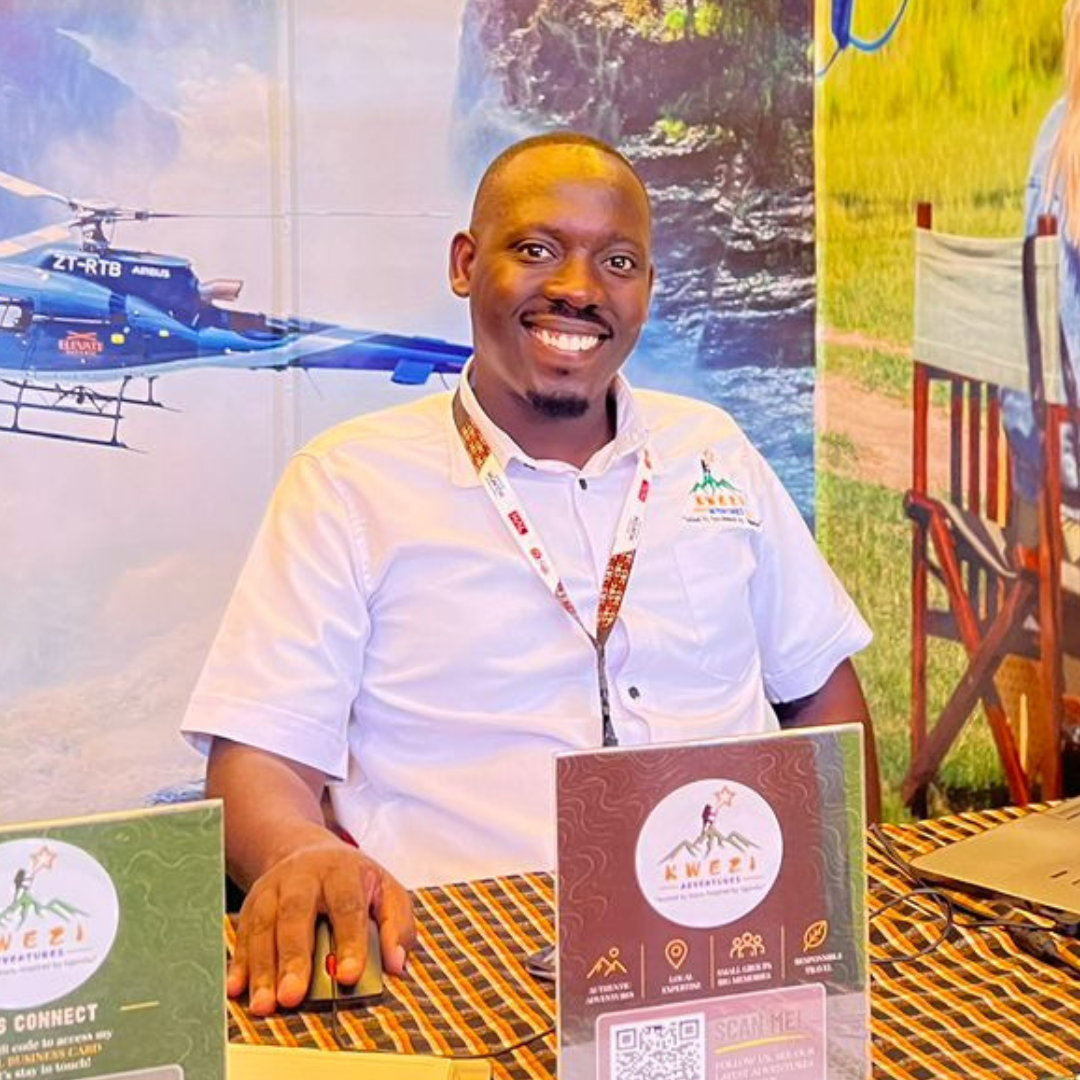
Great thanks to Daniel Kiiza of Kwezi Adventures for this powerful session he taught