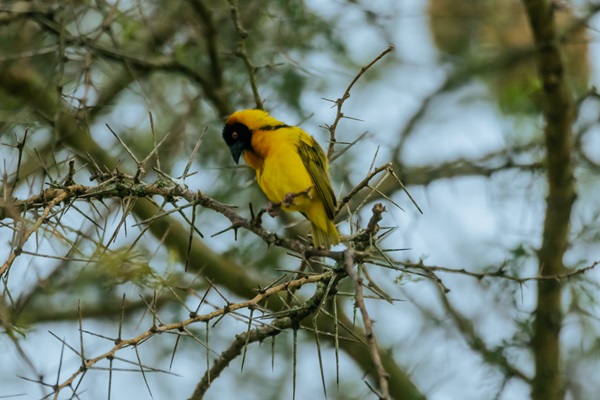
Uganda holds a unique position in East Africa. It is the only destination where a client can track mountain gorillas in the morning and photograph the shoebill stork in the afternoon. For tour operators designing itineraries, understanding how to package game safaris and bird watching effectively requires technical knowledge of park entry systems, seasonal timing, and equipment requirements.
This guide covers the practical aspects of combining wildlife viewing with birding across Uganda`s national parks. We focus on operational details that directly impact client satisfaction and your profit margins.
Why Combine Game Safaris and Bird Watching in Uganda
The efficiency argument is simple. Uganda`s savannah parks hold both large mammal populations and exceptional bird diversity. Queen Elizabeth National Park alone contains over 600 bird species alongside elephants, lions, and hippos. A client on a game drive does not need separate birding transport. The same vehicle, guide, and park entry fee cover both activities.
From a commercial perspective, birding clients book longer stays. A standard game drive package lasts three to four days. Adding targeted birding extends itineraries by two to three days without significant operational cost increases. The birding segment also attracts higher spending clients. Serious birders invest in premium optics, private guides, and extended stays during migration windows.
Key Destinations for Combined Safaris
Not every park delivers equally on both activities. Selection depends on client priorities and seasonal timing.
Queen Elizabeth National Park
This park represents the best option for combined game safaris and bird watching Uganda offers. The Kazinga Channel boat cruise delivers both experiences simultaneously. Clients view hippo pods and crocodiles while photographing African fish eagles, pelicans, and kingfishers. The Kasenyi plains provide reliable lion and elephant sightings. The Ishasha sector offers the famous tree-climbing lions. Birding highlights include the African skimmer, papyrus gonolek, and shoebill in the wetland areas.
The park entry fee is 40 USD for foreign non-residents. Vehicle entry adds 50 to 150 USD depending on vehicle type. Boat cruises cost 30 to 35 USD per person.
Murchison Falls National Park
Uganda`s largest park receives the highest visitor numbers, recording 104,000 guests in recent years. The combination of the Nile River and extensive savannah creates diverse habitats. The boat cruise to the base of the falls provides close views of hippos, crocodiles, and waterbirds. The delta area where the Nile enters Lake Albert offers papyrus specialists like the shoebill. Game drives in the Buligi circuit deliver elephants, giraffes, lions, and buffalo.
Park entry costs 45 USD for foreign non-residents, the highest rate reflecting the park`s size and wildlife density.
Lake Mburo National Park
For clients with limited time, Lake Mburo works well. Located closest to Kampala, the park allows combination with either Bwindi or Kibale without excessive driving. Zebra, impala, and eland are common. The park permits night game drives and walking safaris, activities restricted elsewhere. Birding highlights include the African finfoot and white-winged warbler.
Park entry costs 40 USD. Night game drives add 40 USD per person.
Technical Requirements: Permits and Legal Framework
Tour operators must understand the regulatory environment. Clients cannot book permits directly. The Uganda Wildlife Authority issues all permits exclusively through licensed Ugandan tour operators.
Gorilla and Chimp Permits for Combined Itineraries
When clients want both gorilla trekking and game safaris, permit timing becomes critical. For the financial year 2026, gorilla permits for foreign non-residents remain at 800 USD. Chimpanzee tracking in Kibale Forest costs 250 USD.
These permits are date-specific and non-transferable. Book standard permits four to six months before travel. For the gorilla habituation experience, which allows four hours with the gorillas, book 12 months in advance. Only eight permits exist for habituation daily.
Park Entry vs Activity Fees
Many tour operators confuse entry fees with activity fees. Entry fees grant 24 hour park access. They do not cover boat cruises, night game drives, or guided walks.
For a three day safari combining game drives and bird watching at Queen Elizabeth, a foreign non-resident client pays a 40 USD park entry fee covering 24 hours. The Kazinga boat cruise costs 30 USD. A night game drive adds 40 USD. Vehicle entry adds approximately 60 USD. Clients staying beyond 24 hours in any park must pay a second entry fee. Plan itineraries to maximize each 24 hour window.
Seasonal Timing for Combined Safaris
Dry Seasons
The dry seasons from June to September and December to February offer the most reliable game viewing. Animals concentrate around water sources. Vegetation is less dense. Road conditions are better, particularly for accessing remote parks like Kidepo Valley.
For birding, the dry season provides easier walking conditions. However, resident bird species are present year-round. The dry season is peak tourist period. Accommodation prices rise. Gorilla permits sell out months in advance.
Wet Seasons
The wet seasons from March to May and October to November offer advantages for birding. Migratory species from Europe and Asia arrive during the northern winter. The landscape is lush and green, creating better photography conditions.
Game viewing becomes more challenging. Animals disperse across wider areas. Some roads become difficult to navigate. However, accommodation rates drop by 20 to 30 percent. Permit availability improves. For budget-conscious birding clients, the wet season represents better value.
Equipment and Logistics
Vehicle Requirements
Standard tour operator vehicles in Uganda are modified Toyota Land Cruisers with pop-up roofs. These are adequate for both game viewing and birding. For serious birders, consider adding stabilization equipment. A beanbag mount for a spotting scope costs less than 50 USD but significantly improves client experience.
Self-drive clients must understand vehicle entry fees. Foreign-registered vehicles pay 40 to 150 USD per 24 hours. Uganda-registered vehicles pay lower local currency rates. Rental vehicles registered in Uganda qualify for these reduced fees.
Guide Qualifications
The difference between satisfied and disappointed birding clients is guide quality. Uganda does not currently have a separate birding guide certification. However, guides with thorough knowledge of bird calls and habitat preferences command premium rates.
For specialized birding itineraries, hire guides who have completed advanced training through the Uganda Safari Guides Association. Expect to pay 30 to 40 USD per day for specialized birding guide services, compared to 20 to 25 USD for standard game drive guiding.
Costs and Pricing Structure for Tour Operators
For a seven day combined safari covering Queen Elizabeth and Murchison Falls, here is a realistic cost breakdown per person based on two clients sharing.
Park entry fees total approximately 85 USD. Vehicle entry adds about 30 USD per person when shared between two clients. Two boat cruises cost 65 USD. Gorilla trekking adds 800 USD per permit if included. Chimpanzee tracking adds 250 USD. Budget accommodation costs 60 to 80 USD per night. Mid-range lodges cost 150 to 200 USD per night. Guide fees range from 25 to 40 USD per day. Fuel costs 40 to 60 USD per day for two clients.
Tour operator margins typically range from 15 to 25 percent on packaged safaris. Clients booking directly through online platforms without operator involvement pay the same permit fees but lack logistical support.
Regulatory Compliance for Tour Operators
The Uganda Tourism Board licenses all tour operators under the Tourism Act. Unlicensed operators cannot sell safari packages legally. Licensing requires annual renewal at 300,000 Ugandan shillings approximately 80 USD.
Licensed operators receive benefits including discounts on international trade fair participation and listing on the UTB website. More importantly, only licensed operators can purchase permits from the Uganda Wildlife Authority. The UWA permit system does not accept direct applications from individual travelers or foreign agents.
People Also Ask
What is the best time of year for game safaris and bird watching in Uganda?
The dry seasons from June to September and December to February provide the best game viewing conditions with animals concentrated around water sources and easier road access. For bird watching specifically, the wet seasons from March to May and October to November bring migratory species and lush green landscapes, though road conditions become more challenging. Serious birders often prefer the wet season for species diversity while accepting occasional afternoon rain.
Which Uganda national park has the most bird species?
Queen Elizabeth National Park holds the highest bird diversity with over 600 recorded species. This includes both savannah and forest species plus specialized waterbirds along the Kazinga Channel. Kibale Forest National Park follows with 355 species, while Semuliki National Park is particularly rich in forest birds including the rare Congo serpent eagle. Bwindi Impenetrable Forest contains 23 Albertine Rift endemic species found nowhere else.
Can you do both gorilla trekking and game safaris in one trip?
Yes. Standard itineraries combine gorilla trekking in Bwindi or Mgahinga with game safaris in Queen Elizabeth National Park. The two parks are approximately four hours apart by road. Clients typically spend two to three days on game safaris followed by gorilla trekking, or reverse the order. The most efficient routing begins in Entebbe, proceeds to Queen Elizabeth via the scenic Rwenzori foothills, continues to Bwindi, and returns to Entebbe. This circuit takes seven to ten days without excessive driving.
Do I need separate permits for bird watching and game viewing in Uganda?
No separate bird watching permit exists. Park entry fees cover both activities. However, specialized birding guides cost extra. For the best birding experience, hire guides with specific bird identification training through organizations like USAGA. These guides know species locations and can identify birds by call, significantly increasing sighting rates. Expect to pay 30 to 40 USD per day for specialized birding guide services.
What equipment do clients need for a combined birding and game safari?
Binoculars with 8x or 10x magnification are essential. For serious birders, a spotting scope with a tripod significantly improves identification of distant waterbirds. Camera equipment should include a telephoto lens of at least 300mm for wildlife and 400mm or longer for bird photography. Neutral density clothing in khaki, olive, or brown improves wildlife viewing by reducing contrast. Avoid white, black, or brightly colored clothing which alerts animals and disturbs bird behavior.
How much does a 7 day combined safari cost in Uganda?
For two clients sharing a vehicle and mid-range accommodation, a seven day safari including Queen Elizabeth and Murchison Falls costs approximately 1,800 to 2,500 USD per person excluding international flights. Adding gorilla trekking increases the total by 800 USD per permit. Chimpanzee tracking adds 250 USD. Budget safari options using basic accommodation reduce costs to 1,200 to 1,500 USD per person. Luxury lodges increase costs to 4,000 to 6,000 USD per person.
Can tourists book Uganda safari permits directly or only through tour operators?
Only licensed Ugandan tour operators can purchase gorilla, chimpanzee, and other primate permits from the Uganda Wildlife Authority. Individual travelers cannot book these permits directly. This regulation protects clients from permit fraud and ensures qualified operators manage the logistics. When booking through a licensed operator, clients receive official permit documentation with their name and passport details verified by UWA.
Conclusion
Game safaris and bird watching in Uganda are complementary products that share the same infrastructure, vehicles, and parks. For tour operators, the opportunity lies in packaging both activities to extend client itineraries and increase per-client revenue.
The Tour Operators Academy offers specialized training modules on safari itinerary design, UWA permit booking systems, and guide management. Our courses cover technical topics including park fee structures, seasonal timing for optimal wildlife viewing, and compliance with Uganda Tourism Board licensing requirements.
Contact the Tour Operators Academy to access our full curriculum for travel professionals. We provide practical, regulation-focused training that helps your business operate efficiently within Uganda`s legal framework.
Frequently Asked Questions
Q: Is bird watching possible year-round in Uganda?
A: Yes. Resident bird species remain present throughout the year. The wet seasons bring additional migratory species from Europe and Asia, increasing total diversity. The main difference is walking conditions and road access, not bird presence.
Q: What is the success rate for seeing tree-climbing lions in Ishasha?
A: Sightings vary significantly by season. During dry months when fig trees fruit, success rates reach 70 to 80 percent. During wet seasons when prey is widely available, lions spend less time in trees. Sightings drop to 30 to 40 percent.
Q: Can I combine birding with the gorilla habituation experience?
A: The habituation experience focuses exclusively on gorilla behavior for four hours. Separate birding activities require additional time. Most operators schedule birding on non-trekking days within Bwindi, which holds 23 Albertine Rift endemic bird species.
Q: How far in advance should clients book permits for a combined safari?
A: Book standard gorilla permits four to six months before travel, particularly for peak season dates from June to September. For the habituation experience, book 12 months in advance. Chimpanzee permits and park entry fees do not require the same advance booking, though early planning secures preferred accommodation.
Q: Are self-drive safaris practical for bird watching in Uganda?
A: Self-drive is possible for experienced travelers with 4x4 vehicles. However, bird identification without a guide significantly reduces sighting quality. Guides hear calls and know species locations that independent travelers miss. Self-drive works best for clients who are experienced birders bringing their own expertise.
Q: What identification do clients need for park entry and permits?
A: Original passports are required at park gates and for permit validation. Photocopies face rejection. Digital copies on phones serve as backup only. For East African citizens, national identification cards are accepted.