Most safari clients arrive expecting lions and elephants. They leave talking about an olive bee eater or a saddle billed stork. Birding as a key experience for your safari is not a niche add-on. It is the difference between a satisfied client and a client who books again next year.
Tour operators who ignore birds leave money on the table. Those who train their guides and structure itineraries around avian diversity unlock a full day of activity when mammals hide from midday heat. This guide explains exactly how to integrate birding into your existing safari products without changing your core operations.
Why Birding Belongs in Every Safari Itinerary
The average safari has dead time. Between 10 am and 4 pm, game drives slow down. Animals rest in the shade. Clients grow restless. Birding fills that gap completely.
Birds are active all day. They display, feed, and call throughout the afternoon hours. A client with binoculars and a checklist stays engaged from sunrise to sunset. That engagement translates directly to higher perceived value and better reviews.
From an operational standpoint, birding requires no special vehicles or extra permits. It uses the same roads, the same guides, and the same schedule. The only addition is knowledge and a pair of binoculars per guest. This makes birding the highest return on investment activity you can add to a safari package.
Which Destinations Offer the Best Birding Experiences
Not all safari destinations deliver the same birding quality. Here is a practical ranking based on species density, endemism, and ease of viewing.
Uganda
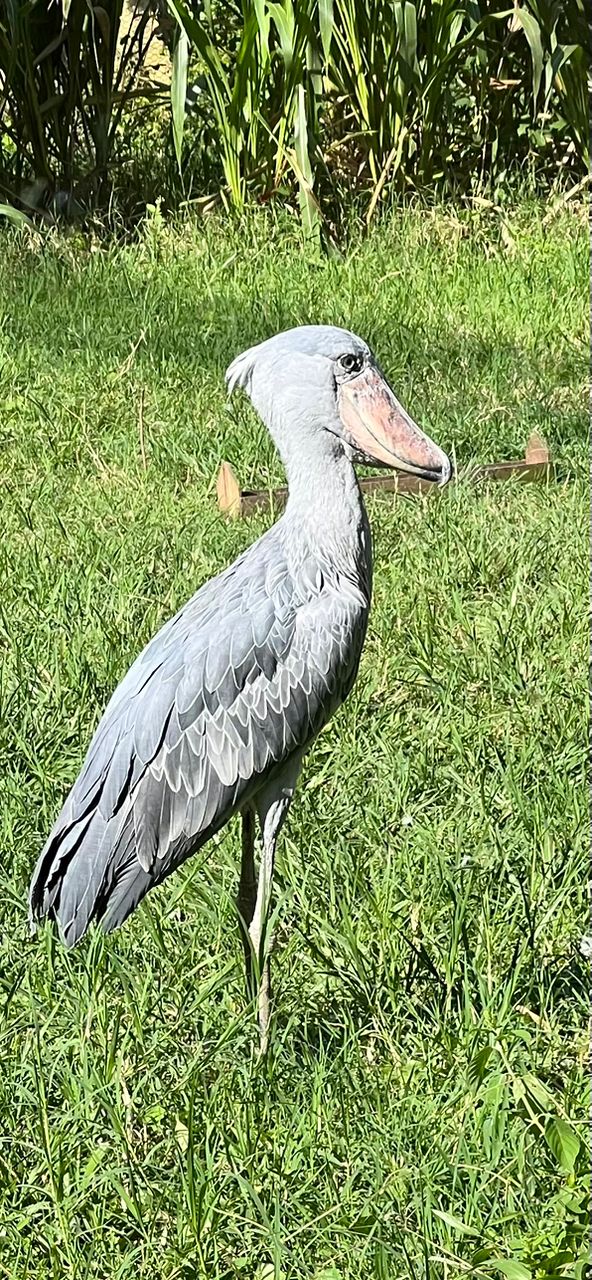
Uganda leads continental Africa with over 1,090 recorded species. The country holds 50 percent of Africa's bird species and 11 percent of the world's total. Key sites include Bwindi Impenetrable Forest for Albertine Rift endemics, Murchison Falls for shoebills, and Semuliki National Park for Central African species. Your clients can see 300 species in a week-long itinerary.
Kenya
Kenya lists approximately 1,100 species. The dry country makes bird spotting easier than forested regions. Lake Nakuru, Lake Baringo, and Samburu deliver high-density sightings. The Great Rift Valley provides accessible viewing from vehicle roofs.
Rwanda
Rwanda offers 700 species concentrated in a small area. The country is ideal for short itineraries. Nyungwe Forest holds 300 species, including 26 Albertine Rift endemics. A client on a three-day gorilla trek can add two half-day bird walks without extending their stay.
South Africa
South Africa records 850 species with excellent infrastructure. Kruger National Park alone lists 500 species. The country has a mature birding tourism industry with dedicated hides and bird friendly lodges. Clients comfortable with self-driving can bird independently.
Tanzania
Tanzania hosts 1,100 species spread across diverse habitats. The Ngorongoro Crater, Serengeti, and Lake Manyara each offer distinct bird communities. However, the vast distances between sites make it harder to rack up high counts compared to Uganda or Kenya.
How to Train Your Guides for Bird Identification
Most safari guides know large mammals. Few can name 200 bird species by sight and sound. This gap is your competitive opportunity.
Start with the common species in your operating area. A guide who confidently identifies 50 local birds will impress 90 percent of clients. Use these training methods.
Morning walks with a field guide. Spend one hour before breakfast walking the lodge grounds. Identify birds by call first, then sight. Repeat daily for two weeks.
Sound recording practice. Download bird call apps or use YouTube. Test guides on 10 calls per day until they reach 90 percent accuracy.
Client-friendly explanations. Train guides to say more than the name. Teach them to describe behavior, habitat preference, and seasonal movements. This turns a bird sighting into a story.
Partner with local birding experts. Hire a specialist for a three-day guide training. The cost of 500 to 1000 dollars returns in client satisfaction and repeat bookings.
Sample Birding Itinerary for a 7 Day Safari
This itinerary assumes a Uganda focus, given the high species density. Adjust for your operating region.
Day 1: Arrival at Entebbe. Afternoon birding at Mabamba Wetland for the shoebill. This single species draws serious birders from around the world.
Day 2: Transfer to Murchison Falls National Park. En route birding at Ziwa Rhino Sanctuary for savannah species. Afternoon boat cruise on the Nile for African skimmers, Goliath herons, and bee-eaters.
Day 3: Morning game drive in Murchison. Target the delta area for papyrus endemics. Afternoon at leisure or additional bird walk.
Day 4: Transfer to Kibale Forest. Birding along the roadside for forest species, including the green-breasted pitta. This is a challenging sighting that dedicated birders value highly.
Day 5: Morning bird walk in Kibale. Target the great blue turaco and African grey parrot. Afternoon transfer to Queen Elizabeth National Park.
Day 6: Morning birding in Queen Elizabeth. Target the swamps for shoebill if missed earlier. Also look for African skimmers and pygmy kingfishers. Afternoon boat cruise on Kazinga Channel for water birds.
Day 7: Morning birding in Maramagambo Forest for forest species. Afternoon transfer back to Entebbe.
This itinerary produces between 250 and 350 species in one week. A non-birder can skip focused walks and still see 100 species passively during game drives.
Equipment Checklist for Safari Clients Who Bird
Your clients will ask what to bring. Provide this list during booking.
Binoculars with 8x42 or 10x42 magnification. Avoid cheap compact binoculars. Low light performance matters in early morning and late afternoon.
A field guide book specific to your country. Birds of East Africa by Stevenson and Fanshawe works for Uganda, Kenya, and Tanzania. Birds of Southern Africa by Sinclair works for South Africa.
Notebook or birding app. eBird is the industry standard. Clients can record sightings and share checklists with their network. This word-of-mouth marketing is free and effective.
Neutral colored clothing. Bright colors startle birds. Greens, browns, and khakis work best.
Hat with a brim. Birding requires looking up directly into the sun for extended periods.
Pricing Birding Safaris Correctly
Birding safaris command a premium. Here is how to price them.
Base safari price plus birding supplement. Add 50 to 100 dollars per day for dedicated birding itineraries. This covers expert guide time and specialized site selection.
Guide upgrade fee. Offer a birding specialist guide for an additional 30 to 50 dollars per day per group. Clients who want high species counts will pay this without negotiation.
Binocular rental. Purchase good quality binoculars for 200 to 400 dollars each. Rent them for 15 to 20 dollars per day. The rental income covers replacement costs after 20 uses.
Early start fees. Serious birders want to leave at 6 am or earlier. Charge a premium for early breakfast and extended guide hours.
People Also Ask
What is the best time of year for birding on safari?
Dry seasons are best. In East Africa, June to September and December to February offer clear skies and concentrated water sources. Birds gather around remaining water, making sightings easier. Wet seasons bring migratory species but also thick vegetation and muddy roads.
Do I need a special permit for birding on safari?
No. Standard park entry fees cover birding activities. The only exception is specialized birding hides in South Africa, which may require a separate booking. Always confirm with your tour operator.
Can birding be combined with gorilla trekking?
Yes. Uganda and Rwanda both offer excellent birding alongside gorilla permits. In Bwindi, clients can bird the forest edge on non-trekking days. The Albertine Rift endemics are found in the same habitat as gorillas.
What is the average number of species seen on a 7-day birding safari?
Between 250 and 400, depending on the destination. Uganda delivers 350 on a well-planned itinerary. Kenya delivers 300. South Africa delivers 250 to 300. A non-birder on a standard safari sees 80 to 120 species without trying.
Do tour operators need a separate license for birding safaris?
No separate birding license exists in most African countries. Your standard tour operator license and park access permits cover birding. However, hiring a specialist bird guide may require confirmation of their certification.
Conclusion
Birding as a key experience for your safari transforms a standard wildlife tour into a full day engagement activity. It requires no new vehicles, no extra permits, and no complex logistics. The only investments are guide training and binoculars.
Tour Operators Academy provides practical training modules for guides and tour managers. Our courses cover bird identification, itinerary design, and pricing strategies for specialist products. Join the waiting list to access our birding operations course launching next quarter.
FAQ
How long does it take to train a guide for basic bird identification?
Two weeks of daily morning walks, plus evening sound training, produce a guide competent in 50 common species. Six months of field experience and mentorship build expert-level knowledge.
What is the profit margin on a birding safari compared to a standard safari?
Birding safaris typically generate 15 to 25 percent higher margins. The main difference is the guide upgrade fees and longer activity days. Accommodation and transport costs remain the same.
Which age group books birding safaris most frequently?
Birders aged 55 to 75 dominate the market. They have disposable income, travel flexibility, and patience for slow-paced observation. However, the number of younger birders is growing rapidly due to app-based birding and competitive listing.
Can a standard safari vehicle work for birding?
Yes, with one modification. Remove the roof hatch entirely or fit a roof that opens fully. Birders need a 360-degree view. A closed pop-up roof limits visibility for overhead birds.
How do I market birding safaris to non-birders?
Frame birding as an added value, not a separate activity. Include language such as over 300 bird species visible from your vehicle. Most clients will bird whether they intend to or not. Your job is to make the birds visible and interesting.